
Educating Patients About Integrative Nutrition
What Is Integrative Nutrition?
Integrative Nutrition is a personalized approach to health that looks at how food, lifestyle, and emotional well-being affect your body. Instead of quick fixes, integrative nutrition focuses on making sustainable changes that work for your body and your health goals: Educating Patients About Integrative Nutrition.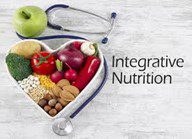
“Let food be thy medicine and medicine be thy food.” — Hippocrates
The idea is that what we eat directly impacts our health. Whole foods like fruits, vegetables, whole grains, and lean proteins help prevent disease and promote healing. Highly processed foods, sugary drinks, and fast food can contribute to chronic conditions like heart disease, obesity, and diabetes (Juul et al., 2021).
How Nutrition Is Influenced by Patient Factors
Every person’s diet is shaped by many individual factors:
- Age: Older adults may need more calcium, B12, and vitamin D.
- Gender: Women generally need more iron and calcium; men need less iron.
- Pregnancy: Nutritional needs increase to support fetal development.
- Medications: Some medications interact with foods. For example, patients on blood thinners like warfarin should limit leafy greens due to vitamin K.
- Culture and Religion: Dietary practices vary — some may avoid pork or fast during specific times.
- Social & Environmental Factors: Social media trends can spread fad diets, while access to healthy foods varies by location and income.
Food as Medicine
The concept of “food as medicine” focuses on how proper nutrition can prevent and treat illness. Research shows that a healthy diet lowers the risk of conditions like cardiovascular disease, high blood pressure, and type 2 diabetes (Better Health Channel, 2023). Doctors and nurses now recognize that food and nutrition should be part of regular healthcare conversations.
Comparing Diets: Fad vs. Evidence-Based
| Keto Diet (Fad Diet) | Mediterranean Diet | |
| Description | The ketogenic diet is a very low-carbohydrate, high-fat diet that puts the body into ketosis, where it burns fat for energy. It typically provides 70–80% fat, 10–20% protein, and 5–10% carbohydrates. Originally used to treat epilepsy, it’s now popular for weight loss but may cause side effects and is not suitable for everyone (Masood et al., 2023).
|
The Mediterranean diet emphasizes plant-based foods like vegetables, fruits, legumes, whole grains, and nuts, with olive oil as the primary fat source. It includes moderate consumption of fish and poultry and a limited intake of red meat and dairy.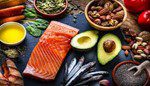
This dietary pattern is associated with reduced risks of cardiovascular disease and other chronic conditions (Rishor-Olney & Hinson, 2023). |
| Advantages | -Promotes rapid weight loss – Helps lower blood sugar and insulin levels -May reduce hunger due to high fat intake |
– Reduces risk of heart disease, stroke, and type 2 diabetes – High in antioxidants and anti-inflammatory foods – Sustainable and enjoyable lifestyle – Encourages whole, natural foods |
| Disadvantages | – “Keto flu”: fatigue, nausea, headache – Low in fiber and essential nutrients – Risk of vitamin and mineral deficiencies – Hard to maintain long term – May raise cholesterol levels in some individuals |
– Can be more expensive (fresh produce, fish, olive oil) – Requires meal planning and home cooking – Weight loss may be slower compared to restrictive diets |
| Goals | Achieve rapid weight loss and reduce carbohydrate intake to trigger fat-burning (ketosis) | Promote long-term cardiovascular health, balanced nutrition, and sustainable lifestyle habits. |
Takeaway Message for Patients
Before following any diet, ask yourself:
“Is this something I can maintain long term?”
“Does this support my health and lifestyle?”
Fad diets like keto might give fast results but can come with risks. Evidence-based diets like the Mediterranean diet are proven to improve long-term health and are flexible, enjoyable, and balanced. Talk to your nurse or doctor before starting any diet to ensure it fits your individual needs, medical history, and cultural background.
References
Better Health Channel. (2023). Diet and heart disease risk. https://www.betterhealth.vic.gov.au/health/conditionsandtreatments/diet-and-heart-disease-risk
Juul, F., Vaidean, G., & Parekh, N. (2021). Ultra-processed foods and cardiovascular diseases: Potential mechanisms of action. Advances in Nutrition, 12(5), 1673–1680. https://doi.org/10.1093/advances/nmab049
Masood, W., Annamaraju, P., Khan Suheb, M. Z. & Uppaluri, K. R., (2023, June 16). Ketogenic diet. StatPearls – NCBI Bookshelf. https://www.ncbi.nlm.nih.gov/books/NBK499830/
Rishor-Olney, C. R., & Hinson, M. R. (2023, March 27). Mediterranean Diet. StatPearls – NCBI Bookshelf. https://www.ncbi.nlm.nih.gov/books/NBK557733/
ORDER A PLAGIARISM-FREE PAPER HERE
We’ll write everything from scratch
Question 
Scenario
You are an RN at Rasmussen Hospital and recently worked with a patient who told you about an unusual diet they started recently. You are concerned about the patient’s well-being and feel a sense of responsibility to teach them about potential risks of following a fad diet.
You tell your supervisor about the situation, and explain that you would like to develop a patient education handout. Something that your fellow nurses could use when educating patients to make sound nutritional decisions. Your supervisor thinks it is an excellent idea and is interested to see what you develop!
Educating Patients About Integrative Nutrition
Create a 2-page, patient education handout that addresses the following:
- Explain the principles of integrative nutrition.
- Emphasize the importance of food as medicine.
- Describe the ways integrative nutrition is influenced by patient-factors, including attitudes, social/cultural habits, and environmental surroundings.
- Research 1 fad diet and 1 evidence-based diet to feature in your handout, and do the following:
- Describe each diet.
- Assess the advantages and disadvantages of each diet.
- Cite at least 1 credible resource for each diet.
Notes:
- NO AI USE AT ALL
- No Falsifying of Resources/References/Citations
 Complete the order form and upload all of your files, including any instructions, rubrics, or other materials provided by your instructor.
  Complete the order payment after filling in the order form. We’ll receive your order and assign it to a writer.
 The assigned writer will complete your paper and forward it to our Editing Team for review and approval.
 Once approved by the editor, the completed paper will be uploaded to your account for you to download, review and approve.