Week 4 Case Study Analysis
Asthma is a chronic respiratory disorder that is characterized by bronchial hyperresponsiveness and narrowing of the airways. The patient is a 16-year-old Hispanic female, Maria Lopez, who reports wheezing, tightness in the chest, shortness of breath and occasional cough that is exacerbated by exercise and at night. She has been experiencing a 1-month history of symptoms that have been causing her to wake up in the morning as well as impacting her ability to perform at school: Week 4 Case Study Analysis.
The pathophysiologic processes that result in the symptoms displayed by Maria will be discussed, followed by why Maria is likely to develop frequent infections, how smoking can result in changes in the lungs, and the considerations of race and ethnicity on Maria due to her influence on her physiological processes.
Pathophysiologic Mechanisms Responsible for Symptoms and Susceptibility to Frequent Infections
The etiology of the asthma symptoms has been attributed to inflammation of the airway, leading to hyperresponses and bronchoconstriction of the airway. The disturbing cough, persistent wheezes and finding it hard to draw in the air show that the bronchospasm has occurred when the smooth muscles located around her airways decrease in diameter narrowing down the airway hole. According to Goldin et al. (2024), bronchoconstriction and inflammation of her bronchial airways also cause tightness in the chest.
The exercised-based intermittent coughing is also evidence of airway hyperresponsiveness whereby the airways get hypersensitized to a particular stimulus such as exercise, cold air, or allergens. Also, there is the long expiratory period and wheezing on physical examination; again, the sign of difficulty in getting the air out, something that is endemic in asthma.
Asthma patients like Maria are likely to experience frequent infections because the inflammatory response in the airways impairs the immune defense. Inflammatory mediators like cytokines and leukotrienes induce hypersecretion of mucus and damage to the ciliary function of the respiratory tract that expels pathogens (Sinyor & Perez, 2023). This kind of disruption of the airway defense mechanism predisposes asthma patients to greater susceptibility to infections that can worsen their asthma symptoms.
Pulmonary Pathophysiologic Processes of Smoking
Smoking aggravates asthma via the induction of inflammation and mucus hypersecretion in the lungs. Cigarette smoke has noxious chemicals such as nicotine, carbon monoxide, and tar, which irritate the respiratory tract and trigger the release of pro-inflammatory cytokines and mediators, thus amplifying airway hyperresponsiveness, as suggested by Lin and Li (2023). The inflammation leads to bronchial constriction, thus increasing the frequency of asthma attacks.
Chronic exposure to smoke also suppresses mucociliary clearance, once more placing the individual at increased risk for respiratory infection and triggering asthma symptoms. In Maria, exposure to second-hand smoke is likely exacerbating her ongoing inflammation and triggering asthma.
Racial/Ethnic Variables Impacting Physiological Functioning
Maria’s Hispanic ethnicity can influence her control of asthma. According to Perez and Coutinho (2021), Hispanic populations are at higher risk of asthma exacerbation due to genetic predisposition, environmental exposure, and barriers to accessing health care. Environmental exposures, such as urban exposure to pollutants and allergens, also worsen the severity of asthma. Poor English language skills and no usual medical care within Maria’s family are linked to inadequate asthma control. Beliefs regarding asthma may make adherence to the correct treatment impossible because of language and cultural aspects regarding asthma.
Factors in Patient’s History and Lifestyle Contributing to Asthma Development
The presence of environmental pollutants such as second-hand smoke and a wood burning stove would have contributed to the development of Maria as an asthmatic. It is worth noting that indoor air pollution leads to an intensification of the asthma rate among children in urban and low-income environments (Raju et al., 2020). Also, the inconsistency in asthma care is run by the fact that Maria’s family prefers the use of emergency care as a substitute for consultations with the usual physicians. Asthma may also develop and cause numerous exacerbations, not to mention infections, without adequate preventive care.
Conclusion
Second-hand smoke and a poor living environment are the second-hand effects that create the onset of Maria’s asthma. Airways hyperresponsiveness and inflammation cause her complaints, and this is aggravated by exposure to smoking. Factors such as racial and ethnic differences, including access to health care, also impact her asthma management. Control of such factors as improved living standards of Maria and subsequent maintenance of asthma treatment must be taken seriously in an attempt to elevate the health status of Maria.
References
Goldin, J., Hashmi, M. F., & Cataletto, M. E. (2024, May 3). Asthma. PubMed; StatPearls Publishing. https://www.ncbi.nlm.nih.gov/books/NBK430901/
Lin, H., & Li, H. (2023). How does cigarette smoking affect airway remodeling in asthmatics? Tobacco Induced Diseases, 21(January), 1–14. https://doi.org/10.18332/tid/156047
Perez, M. F., & Coutinho, M. T. (2021). An overview of health disparities in asthma. The Yale Journal of Biology and Medicine, 94(3), 497. https://pmc.ncbi.nlm.nih.gov/articles/PMC8461584/
Raju, S., Siddharthan, T., & McCormack, M. C. (2020). Indoor air pollution and respiratory health. Clinics in Chest Medicine, 41(4), 825–843. https://doi.org/10.1016/j.ccm.2020.08.014
Sinyor, B., & Perez, L. C. (2023, June 24). Pathophysiology of asthma. PubMed; StatPearls Publishing. https://www.ncbi.nlm.nih.gov/books/NBK551579/
ORDER A PLAGIARISM-FREE PAPER HERE
We’ll write everything from scratch
Question 
Case Study Analysis
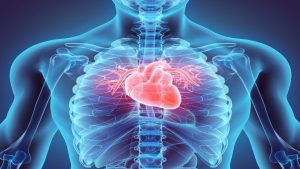
An understanding of the respiratory system is a critically important component of disease diagnosis and treatment. This importance is magnified by the fact that oftentimes, the respiratory system works closely with the cardiovascular system. A variety of factors and circumstances that impact the emergence and severity of issues in one system can have a role in the performance of the other.
Effective disease analysis often requires an understanding that goes beyond these systems and their capacity to work together. The impact of patient characteristics, as well as racial and ethnic variables, can also have an important impact.
An understanding of the symptoms of alterations in the respiratory system is a critical step in diagnosis and treatment of many diseases. For APRNs, this understanding can also help educate patients and guide them through their treatment plans.
Week 4 Case Study Analysis
In this Assignment, you examine a case study and analyze the signs and symptoms presented. You identify the elements that may be factors in the diagnosis, and you explain the implications to patient health.
- Rogers, J. (2023). McCance & Huether’s pathophysiology (9th ed.). Elsevier – Evolve.
- Chapter 34: Structure and Function of the Pulmonary System
- Chapter 35: Alterations of Pulmonary Function
- Chapter 36: Alterations of Pulmonary Function in Children