
The Role of Nurses in Preventing Hospital-Acquired Infections (HAIs)
Hospital-acquired infections (HAIs) are an ongoing problem in contemporary healthcare. Such infections, which are picked up by the patients during the process of receiving medical care, tend to prolong hospitalization, raise the cost of treatment, and even cause death. Of all the healthcare providers, nurses are in a prime position to prevent HAIs because they are always at the patient’s bedside. Their practices—from hand hygiene and appropriate use of personal protective equipment (PPE) to patient education and aseptic technique—directly impact infection control outcomes: The Role of Nurses in Preventing Hospital-Acquired Infections (HAIs).
The Centers for Disease Control and Prevention (2024) report that about 1 in 31 hospital patients develops an HAI each day in the United States, highlighting the need for vigilant nursing practice in prevention. One of the foundations of infection control is hand hygiene, and this needs to be performed regularly and properly by nurses.
The World Health Organization (WHO) provides the “Five Moments for Hand Hygiene,” in which nurses are instructed to wash their hands before patient contact, before aseptic procedures, after exposure to body fluids, after patient contact, and after patient environment contact (Toney-Butler et al., 2023). Proper hand hygiene alone has been demonstrated to decrease HAIs by as much as 51% (Kibira et al., 2022). Despite this, adherence could be irregular, typically due to understaffing or excessive workload.
Health organizations, as such, ought to provide ongoing education and implement surveillance systems to improve compliance. Nurses must set a good example in order to promote a culture of responsibility and safety. Ongoing feedback and performance monitoring can also help achieve high standards of handwashing routine among nursing personnel and other healthcare professionals.
Proper utilization of personal protective equipment (PPE) is also an effective prevention intervention. Nurses who have contact with isolated or critical care patients most frequently use gloves, gowns, masks, and face shields to minimize the spread of infectious agents. The COVID-19 pandemic emphasized the significance of PPE and thorough training.
Practically, nurses need to conduct proper donning and doffing procedures, frequent PPE replacement, and isolation routines. Proper application of PPE not only safeguards patients but also reduces occupational exposure risk among nurses. Furthermore, departmental use of PPE supports institutional safety objectives and augments the overall prevention strategy.
Infection control needs careful precautions in the environment and procedures, mainly during wound care, inserting catheters, and giving medications. Whenever a nurse puts in a urinary catheter, they should ensure they follow sterile guidelines and review the need for the catheter each day. Failing to sterilize properly or breaching protocols can raise the chance of CAUTIs, which are among the most frequent HAIs.
Nurses are responsible for caring for ventilators, IV lines, and surgical sites. Their attention stops ventilator-associated pneumonia (VAP) and central line-associated bloodstream infections (CLABSIs) from happening. By documenting and handing over shifts, all teams follow the same practices.
Table 1: Common HAIs and Nurse-Driven Prevention Strategies
| Type of HAI | Primary Cause | Nurse Prevention Strategy |
| CAUTI | Prolonged catheter use | Aseptic insertion, daily review |
| CLABSI | Contaminated IV line | Sterile technique, line care |
| VAP | Ventilator misuse | Oral hygiene, elevate HOB |
| SSI | Surgical site contamination | Sterile field, post-op care |
Nurses also play a key role in providing education for patients. They instruct patients and their families on the best ways to clean wounds, maintain hygiene, and recognize infections. For example, a nurse discharging a post-op patient may instruct them to monitor the surgical site for redness, swelling, or drainage and to keep the area clean and dry.
These lessons help patients avoid readmission caused by preventable infections. Besides, nurses can help by telling patients how to use antibiotics properly and explaining the risks of antibiotic resistance. When patients receive help following their treatment instructions from nurses, safety is supported even outside the hospital.
Being leaders and being involved in policymaking allows nurses to help with infection control. A lot of hospitals have infection prevention committees that include nurses. These nurses create guidelines, carry out audits, and guide training processes. It’s up to the nurse manager to help their team understand and put into practice infection control.
Policies are more useful and effective when nurses are included in deciding on them. Recognition and reward for following infection prevention can encourage staff even more to keep up their efforts. Nurse leaders fight for the tools required by nurses to manage infectious diseases.
Image 1: Proper hand hygiene steps
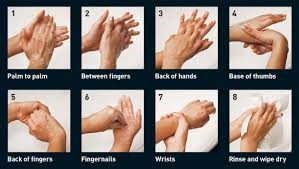
Source: CDC. (2024, February 16). About handwashing. Clean Hands. https://www.cdc.gov/clean-hands/about/index.html
Image 2: Nurse in full PPE during patient care
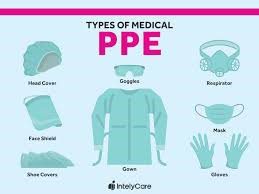
Source: Walder, K. (2025, March 21). PPE: Examples and Guide for Proper Use. IntelyCare. https://www.intelycare.com/career-advice/ppe-examples-and-guide-for-proper-use/
Image 3: Flowchart of nursing-led infection prevention process
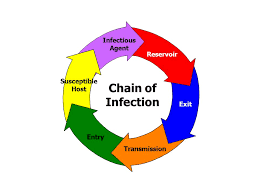
Source: Kieve. (2012, August 18). Targeted Infection Prevention Program Study: The Infectious Disease Process & Chain of Cross Transmission – SlideServe. SlideServe. https://www.slideserve.com/kieve/targeted-infection-prevention-program-study-the-infectious-disease-process-chain-of-cross-transmission
In conclusion, nurses are instrumental in the fight against hospital-acquired infections. Hand hygiene, using PPE, teaching and leading all play a direct role in shaping patient results and healthcare spending. In order for infection control to last, it is important for healthcare systems to invest in nurse training, staffing and supportive policies.
The regular and effective work of nurses helps hospitals stay safe, and communities stay healthy. Nurses are vital members of the team who prevent HAIs and help hospitals improve their safety over time.
References
CDC. (2024, February 16). About handwashing. Clean Hands. https://www.cdc.gov/clean-hands/about/index.html
Centers for Disease Control and Prevention. (2024, November 25). HAIs: Reports and data. Healthcare-Associated Infections (HAIs). https://www.cdc.gov/healthcare-associated-infections/php/data/index.html
Kibira, J., Kihungi, L., Ndinda, M., Wesangula, E., Mwangi, C., Muthoni, F., Augusto, O., Owiso, G., Ndegwa, L., Luvsansharav, U., Bancroft, E., Rabinowitz, P., Lynch, J., & Njoroge, A. (2022). Improving hand hygiene practices in two regional hospitals in Kenya using a continuous quality improvement (CQI) approach. Antimicrobial Resistance and Infection Control, 11(1). https://doi.org/10.1186/s13756-022-01093-z
Kieve. (2012, August 18). Targeted Infection Prevention Program Study: The Infectious Disease Process & Chain of Cross Transmission – SlideServe. SlideServe. https://www.slideserve.com/kieve/targeted-infection-prevention-program-study-the-infectious-disease-process-chain-of-cross-transmission
Toney-Butler, T. J., Gasner, A., & Carver, N. (2023, July 31). Hand hygiene. StatPearls – NCBI Bookshelf. https://www.ncbi.nlm.nih.gov/books/NBK470254/
Walder, K. (2025, March 21). PPE: Examples and Guide for Proper Use. IntelyCare. https://www.intelycare.com/career-advice/ppe-examples-and-guide-for-proper-use/
ORDER A PLAGIARISM-FREE PAPER HERE
We’ll write everything from scratch
Question 
My field of study is Nursing!!
For the final project, you will create a Microsoft Word Document on any topic directly related to your field of study.
- For example, if you are in a nursing program, your topic could be on safety measures to protect nurses from infectious diseases or comparing different types of nursing jobs.
- All portions of the project should be cohesive and include real information related to your field.
- All content must be in your own words. Plagiarized information will not be accepted. If outside sources are utilized to gather information, please include them in a reference list at the end of the project.
Make sure to include all of the elements below in your selected application:
The Role of Nurses in Preventing Hospital-Acquired Infections (HAIs)
Microsoft Word
Length:
- Minimum of 3 pages including 4-5 paragraphs of substantive content. (Please review the rubric for guidance.)
Inserted Items:
- Centered and bold title
- 3 images (from your computer, a stock image, or an online image. When using images from online, be sure to include the citation.)
- 1 table with text (any size with content related to the topic)