
Skin Disorders – Acne Vulgaris
Acne vulgaris is a common skin disorder that predominantly affects adolescents and young adults, though it can occur at any age. It is caused by a combination of factors, including excess sebum production, follicular hyperkeratinization, bacterial colonization by Cutibacterium acnes, and inflammation. Sebaceous glands are stimulated by androgenic hormones to secrete sebum and their activity is increased. This sebum combines with the dead skin cells that have accumulated on the surface of the skin and forms a plug that blocks the hair follicles, giving bacteria a perfect environment to breed in. The bacteria, in turn, cause inflammatory changes, which result in the formation of pustules, nodules and cysts on the skin. Acne vulgaris is, therefore, a complex disease resulting from hormonal and microbiological factors evidenced in the disease process (Sutaria et al., 2023).
The psychological effect of acne vulgaris indeed goes unnoticed but can interfere with the patient’s quality of life. Skin diseases like acne affect many people’s self-esteem, leading to high levels of anxiety, depression and social isolation owing to the social stigmatization of people with these diseases. To foster an environment of respect, dignity, equity, and inclusion for patients with visually unappealing skin conditions, healthcare professionals must approach treatment with empathy and understanding. This includes responding to the patient’s complaints and accepting their recognition while providing specific information without judgment. Healthcare workers should avoid this because bias and prejudice can change the psychological status of the patient. In general, healthcare providers can also do their part towards improving the future health of every patient, regardless of background, by giving them equal service (Sharma et al., 2023).
Collaborative care measures are often required to address both the physical and emotional aspects of acne vulgaris. A multidisciplinary approach involving dermatologists, psychologists, and support groups can significantly improve outcomes. Dermatologists can manage the physical manifestations of acne, while mental health professionals help address the psychological effects, such as low self-esteem and anxiety. Moreover, patient education on acne management and mental health organization might decrease the chance of worsening acne and other related mental illnesses. This kind of cooperation provides the patients with a comprehensive approach which is vital for the upward trend in the clinical as well as emotional states of a person (McCance & Huether, 2019).
References
McCance, K. L., & Huether, S. E. (2019). Pathophysiology: The biologic basis for disease in adults and children (8th ed.). Elsevier.
Sharma, R., Dogra, N., & Arora, M. (2023). Psychosocial impact of acne vulgaris on the quality of life among adolescents versus adults. Clinical Medicine, 23(6), 35. https://doi.org/10.7861/clinmed.23-6-s35
Sutaria, A. H., Masood, S., Saleh, H. M., & Schlessinger, J. (2023, August 17). Acne vulgaris. StatPearls – NCBI Bookshelf. https://www.ncbi.nlm.nih.gov/books/NBK459173/
ORDER A PLAGIARISM-FREE PAPER HERE
We’ll write everything from scratch
Question 
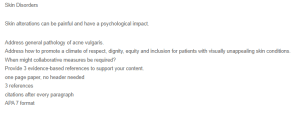
Skin Disorders
Skin alterations can be painful and have a psychological impact.
Skin Disorders – Acne Vulgaris
Address general pathology of acne vulgaris.
Address how to promote a climate of respect, dignity, equity and inclusion for patients with visually unappealing skin conditions.
When might collaborative measures be required?
Provide 3 evidence-based references to support your content.
one page paper, no header needed
3 references
citations after every paragraph
APA 7 format