
Assignment 2: Market segmentation Memo: Disney+
TO: Tiffany Morrow, Vice President of Marketing
FROM: Marketing Consultant
DATE: May 26, 2025
SUBJECT: Disney+ Competitive Value Proposition
Research indicates that streaming services are the future of content distribution. Streaming leverages advanced technology and familiar pastime methods to bolster the consumer experience. Undeniably, many streaming services have emerged as the new technology takes shape, such that it becomes difficult for the consumer to decide which is the best. However, Disney+ has emerged as one of the optimal solutions in the streaming industry (Sturgill, 2019): Assignment 2: Market segmentation Memo: Disney+.
Unlike other platforms, Disney+ combines modernity and classics to improve the consumer experience. Further, Disney’s ability to satisfy quantity, quality, innovation, and diversity is something that other companies need to learn from (Deng, 2022). Also, Disney has imposed extremely competitive prices to attract customers, aware that the company no longer has the leverage to beat experienced players like Netflix (Deng, 2022). Also, Disney+ has physical reach besides its traditional and modern streaming platforms.
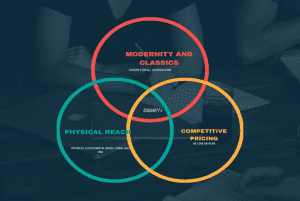
- Market Segment Analysis
Disney+ is renowned for its streaming business. The company produces some of the largest audio-visual content when compared to industry rivals. One of the reasons why Disney+ content stands out is that the company combines both modernity and classics to produce content that appeals to a wider audience (Luo, 2024).
Although the company’s strategy is designed to appeal to all audiences, the primary target of its streaming segment is white males and females aged between 27-41 years. Other characteristics of this target audience include low-middle income, urban or suburban residents, and predominantly people without children. Nonetheless, the company targets people of all ages, as demonstrated by its combination of classic and modern content.
Firstly, Disney+ seeks to target family users with movies, series, and content that is family-friendly. To ensure content is watched by all and sundry in the family, the company designs content deemed respectful and can be watched by everyone in the family (Luo, 2024). Besides, subscription-based packages for the family target segment allow access to ‘dignified’ content that can be watched by children with their parents. To ensure accurate targeting, the company leverages big data to target prospective customers with content that they are most interested in.
Secondly, another target segment is composed of young adults. This segment is targeted with content such as Marvel movies, Star Wars series, and Pixar animations (Luo, 2024). Social media interactions have proved useful for the company, especially when it comes to deciding what to offer young adults and teenagers.
Given the increased social media presence and participation among this population segment, Disney+ listens to their conversations in a bid to decide what is best for them. Having focused on this segment, it has emerged that young adults and teenagers continue to express interest in Marvel movies and the Star Wars series; hence, Disney+ should enhance its efforts to enrich its platforms with such content.
When it comes to geographic segmentation, Disney+’s target audience is worldwide. However, based on the operating income results, the company makes the most income from the North American market compared to other regions such as Latin America, Europe, and Asia (Luo, 2024). Even with globalization, the company has to ensure that its content is unique to the local culture. Some of the strategies that have been implemented to ensure that locals benefit from content include content localization (Luo, 2024).
To that end, the company should produce local content that aligns with the culture and interests of the local audience. In the same breath, incorporating local language subtitles in content eliminates the problem of a language barrier, which ensures that locals can understand content without struggle. To attract more target groups beyond the North American market, Disney+ collaborates with local companies that provide insights on how to ensure the company appeals to locals.
Moreover, Disney+ leverages psychographic segmentation to target its customers. Psychographic segmentation refers to targeting based on what consumers think and providing offerings that cater to their thought process. Based on psychographic targeting, the company mostly seeks to appeal to members of two key generations: millennials and Generation Z (Luo, 2024). One of the attributes of these target audiences is self-expression, which implies that the company will target them with content that is based on a desire by characters to express themselves.
Also another key attribute of this segment is their ability to adopt and leave trends quickly. This is where social media insights come in since social media conversations offer the company an insight into what is trending, such that the company may leverage these insights to understand what content this segment is looking forward to. The third psychographic targeting element leveraged by Disney+ is the sociable tendencies among the target market, which influences the dispatch of visually stimulating content.
Lastly, behavioral segmentation also partly influences the company’s segmentation decisions. A key behavioral habit that is common among Disney+ consumers is an increased desire for on-demand streams. Most of the customers monitor what is being demanded by other consumers and respond by ordering the same.
As an indication that most customers are receptive to trends, the number of streams increased significantly between 2020 and 2022. In the third quarter of 2020, there were only 26.5 million subscribers on the streaming platform. However, the number of subscribers surged to 152.1 million, and this is partly owing to the company’s customers responding to on-demand streams.
VALS is a targeting framework leveraged by businesses to classify and target their present and potential customers. Originally, VAL stood for values, attitudes, and lifestyles. Based on the VALS framework, businesses classify their customers into Achievers, experiencers, Thinkers, Believers, Strivers, Makers, and Survivors (Geist, 2022). Since the target audience of Disney+ is millennials, they are classified under the experiencers segment based on the VALS framework.
Some of the core characteristics of the experiencers based on the VALS framework include a high motivation for self-expression (Geist, 2022). Also, the experiencers, who are the company’s primary target audience, have been characterized by their ability to adopt and leave trends quickly. Also, experiencers are social and tend to be spontaneous.
Having understood the VALS classification of Disney+ audiences, it is easier for the company to derive the most effective advertising strategy that can be leveraged to reach the target audience across different geographical locations. Since it has emerged that Disney+ primary target audience is millennials who love trends, reaching them via social media platforms is one of the most effective marketing strategies. Further, the target market’s desire for self-expression allows the company to engage them on social media platforms through conversations.
- New Market Segments
Apart from millennials, Disney+’s new markets should be members of Generation X and Generation Z. On the one hand, members of Generation Z were born into the ‘always on’ era characterized by technological advancement at a diverse level and have little to no memory of 911. On the other hand, Generation X grew up during the era of computer technology expansion in the 80s. About 90% of Gen Xs own smartphones, with at least 76% of them using social media.
To that end, it has emerged that both Gen X and Gen Z members are heavy technology users. Older Gen Z members are likely to be using social media to watch content on different platforms as part of their stay-at-home routine, while younger Gen Z members own smartphones and use social media platforms from time to time. Based on these insights, it has emerged that Disney+ can leverage social media to reach new market segments due to its increased social media usage.
Based on the two new segments above, Disney+ should move with speed to offer sports entertainment products during the first step. Research shows that sports streaming is one of the leading segments in the entire streaming industry, accounting for about 86% of customers who express interest in streaming different events (Naseralla et al., 2023). Out of these, some of the potential consumers would wish to watch live sports events, while others are interested in watching past sports events, including highlights of previous matches. It is indeed true that most Americans love streaming sports events, with even collegiate sporting events gaining popularity among sports enthusiasts (Naseralla et al., 2023).
The third step involves establishing the profiles of the consumers who would like to watch sports events on Disney+ platforms based on demographic, psychographic, and behavioral elements. Based on behavioral characteristics, it emerges that most potential consumers would like to watch live sports events, and this can be made possible by Disney+ through enhanced coverage of different events. On the other hand, the demographic characteristics of potential customers for live sports events include middle-aged male users with moderate income.
This does not come as a surprise because most sports fanatics, especially football lovers, are males. Thirdly, psychographic analysis of the new target audience shows that they are heavily invested in sporting events and are willing to spend significant resources to purchase items related to sports.
As it emerged from the new segmentation analysis, the first step shows that members of Generation X would greatly benefit from increased streaming. Gen X comprises individuals born between 1965 and 1980, during a time characterized by the computer revolution. Members of Gen X are classified into two categories: those who are interested in trends and those who are interested in nostalgia characterizing past events. Among others, this segment was greatly influenced by alternative rock and hip-hop; hence was called the MTV generation.
During the third step of segmentation analysis, which focuses on demographic, behavioral, and psychographic characteristics, different characteristics emerged. Based on the behavioral characterization, it has emerged that Gen X is interested in nostalgic events based on their searches (Karim, 2019). On the other hand, demographic characterization shows that a majority of this segment comprises middle-aged females with children who earn a moderate income. Finally, psychographic analysis reveals that this segment comprises individuals who live routine lives and have expressed interest in enhancing their life experiences daily.
Based on the features of the new potential market segments, Disney+ should target Gen Xers. One of the reasons why the company should target this component of consumers is that this generation has a lot of memories they are nostalgic about and would love to experience such memories through Disney+’s content (Karim, 2019). Targeting Generation X aligns with Disney+’s strategy of combining modern content with classics.
Further, it is worth noting that members of Generation X grew up at a time when the world was experiencing a computer revolution; hence, they are familiar with technology (Karim, 2019). Therefore, by availing offerings that enable them to adapt to technology, Disney+ will appeal to them by offering high-value products.
Concerning the VALS framework, Generation Xers can be classified as experiencers. One of the reasons members of Gen X fall into this category is that they are characterized by self-expression, just like their millennial counterparts. Also, members of this generation grew up during a period when the world was transitioning from analog to digital technology. As a result, Generation Xers possess the adaptation capabilities that can enable them to easily adapt to the ever-changing technological paradigm.
As shown earlier, most Gen Xers have smartphones and use social media frequently. Therefore, improving their experiences by introducing classics will enable them to not only enjoy modern Disney+ content but also connect to the old classics they may have been used to.
- Recommendations
In the digital era, most companies assume that embracing forward-looking strategies is central to organizational success. However, that may not always be the case for various reasons. In particular, businesses in the streaming industry have found a reason to incorporate nostalgia into their content, something that has helped them to appeal to a significant number of subscribers who are looking forward to having a taste of their past. Through nostalgia marketing, businesses leverage their target consumers’ emotions by associating the business with specific aspects of a product that consumers already love.
As Grębosz-Krawczyk et al. (2021) aver, nostalgic brands can be generational, which refers to how a product connects a customer to their personal experiences and emotions experienced in a given period. Also, brands can facilitate transgenerational nostalgia, which refers to connecting an individual customer to the memories of the people around them (Grębosz-Krawczyk et al., 2021). For instance, connecting a consumer with content that their parents used to enjoy amounts to transgenerational nostalgia marketing.
There is a lot that Disney+ can do to bring back memories for the Gen Xers. Among others, this generation comprises individuals who used to enjoy alternative rock, hip-hop, and other classics, hence being labeled as the MTN generation. Also, a return to the vintage culture would bring a lot of nostalgic feelings to Generation X.
By introducing movies, music, and other audio-visual content that incorporates these nostalgic elements, Disney+ will strategically position itself to capitalize on customers who enjoy digging into past memories. The following is a buyer persona showing how Disney+ can target Generation X as a new market segment.
| Customer Persona | Nostalgic Brenda |
| Demographic | A middle-aged married white female with one child. She possesses a degree in economics. |
| Background | Some of the key attributes of the target customer include being technologically savvy and independent. Besides, the target customer is highly educated as she possesses a degree in economics. Brenda spends most of her pastime watching classic movies that bring her memories of her childhood experiences.
She particularly enjoys watching clips from the then-popular Cosby Show, a series that not only reminds her of her childhood shows but also her personal experiences as a member of a traditional family. |
| Needs | Since Brenda has a small family, she is interested in an uninterrupted watching experience for all and sundry, including cartoon shows for her child. Also, Brenda values the ability to access diverse audio-visual content on multiple devices. |
| Goals | One of Brenda’s goals is to watch content that reminds her of her childhood when times were simpler. She believes that by watching content that brings back memories, she will be able to escape the worries of everyday life. |
| Challenges | Among others, Brenda faces some challenges that disrupt her watching experience, including power and Internet outages. Besides, the content most watched by Brenda is not the most popular among most users; hence, the Disney+ algorithm occasionally fails to locate the content after a search. |
| Perceptions | Brenda is a loyal subscriber to the Disney+ streaming platform because of the efficiency the platform offers. |
| Motivations | One of the primary motivations that keeps Brenda glued to Disney+ is the company’s affordable subscription charges since she can access content from as low as $9.99 per month. Also, the availability of sports content at Disney has kept Brenda subscribed because her husband and son love sports content aired on the platform. |
To successfully adopt nostalgic marketing and target Generation X users, Disney+ must implement some changes. Firstly, there is a need for extensive research to establish what attracts consumers. The end goal of the research is to incorporate content that evokes positive emotions from the past instead of negative emotions (Grębosz-Krawczyk et al., 2021).
Therefore, it would be unwise to make content that reminds viewers of past tragic events, such as the 9/11 bombing of the US or the Munich athlete hostage situation that led to the demise of athletes from the Israeli team. Disney+ should put more effort into researching to discover the most positive experiences of the past.
According to Lissitsa and Kol (2016), Generation Xers are considered to be ICT adopters who use the Internet heavily. Apart from being tech-savvy, this generation is also characterized as being highly educated. By identifying as highly educated and tech-savvy, this generation is ready to invest in offerings that cement their belonging to that group. For instance, if someone elsewhere states that they are watching a given movie, other Generation Xers are likely to explore the movies and possibly watch them as a result of the fear of missing out (FOMO).
Besides, Disney+ may leverage social media to reach this segment of potential customers, understand their needs, and make content that suits their needs and goals (Grębosz-Krawczyk et al, 2021). For instance, the social identity of customers may be measured based on the comments they make on social media. Besides, if consumers’ conversations revolve around the Olympic games, Disney+ should consider streaming athletics content, both live events and highlights of past events.
Another social media insight that can help Disney+ effectively target Generation Xers is by examining their connections on social media platforms. By looking at common connections such as friend lists, Disney+ will gain insight into a group’s interests and create appealing content.
References
Deng, Z. (2022). Analysis of Disney’s marketing strategy and competitiveness —— based on 4PS theory and SWOT analysis. BCP Business & Management, 34, 449–455. https://doi.org/10.54691/bcpbm.v34i.3048
Geist, S. (2022). EMPHASIS OF DISNEY MARKETING FOR CHILDREN 1 Disney’s Strategic Marketing Tactics for Children Ages 2-10. https://digitalcommons.liberty.edu/cgi/viewcontent.cgi?article=2233&context=honors
Grębosz-Krawczyk, M., Zakrzewska-Bielawska, A., & Otto, J. (2021). The role of social media in communication of nostalgic brands. Procedia Computer Science, 192, 2413–2421. https://doi.org/10.1016/j.procs.2021.09.010
Karim, S. (2019). “ A Comparison of the Media Consumption Habits of Gen X, Gen Y and Gen Z”. https://theaimsjournal.org/uploads/78/6554_pdf.pdf
Lissitsa, S., & Kol, O. (2016). Generation X vs. Generation Y – A decade of online shopping. Journal of Retailing and Consumer Services, 31, 304–312. https://doi.org/10.1016/j.jretconser.2016.04.015
Luo, S. (2024). Research on the analysis of Disney+ consumer behavior and marketing strategy based on R Language. SHS Web of Conferences, 207, 01010. https://doi.org/10.1051/shsconf/202420701010
Naseralla, S. (2023). Sports and the future of streaming television: A study of the value sports content adds to sreaming services. https://digital.library.txst.edu/server/api/core/bitstreams/661dc2a7-1f06-40df-af4d-049f610aa28f/content
Sturgill, J. (2019). Beyond the castle: An analysis of the strategic implications of Disney+. Undergraduate Honors Theses. https://dc.etsu.edu/cgi/viewcontent.cgi?article=1554&context=honors
ORDER A PLAGIARISM-FREE PAPER HERE
We’ll write everything from scratch
Question 
Purpose
The purpose of this assignment is to apply segmentation and targeting techniques to potential new subsets for a marketing campaign. This connects to course learning outcomes of constructing market segments of target customers for a product or service.
Assignment Task Overview
For this assignment, you will assume the role of a marketing analyst. Your consulting firm has been hired to help with a campaign effort for the client company of your selected product/service. You will communicate your results in a professional memorandum.
There are three steps to this assignment. Review all three steps before you begin.
Step 1: Refer to the product/service you chose for your Value Proposition Assignment.
- The product/service you chose for the Value Proposition Assignment in Week 2 will be the subject of this assignment. (Disney+)
- Review any feedback you received on your Value Proposition memo. You will be writing a longer, more detailed memo about the same product/service for this assignment.
- Follow the specific instructions outlined in Steps 2 and 3 below.
Step 2: Respond to each of the following questions as they relate to your product/service. Note the research and references requirement.
- Your market segmentation memo will have three major sections.
- Respond to all the questions in each section.
- Your memo also must meet the research and references requirement in Step 3.
I. Market Segment Analysis
- Determine and describe the current primary segment. The client has an interesting question. What target market can be perceived by current messaging for the product/service? Visit the public website for your company’s product/service. Based on the information available and any other publicly available information, infer the primary target market based on the messaging you find.
- Describe the primary segment you believe your company is targeting for this product/service. Focus only on this product/service (e.g., for Disney+, focus on just the streaming service, not the parks or other Disney offerings).
- Describe the primary segment in terms of the behavioral, demographic, and psychographic characteristics for the segment. Give this segment an appropriate name. See, Segmenting and Targeting Markets and Customers in Learning Resources.
- Classify the primary segment according to one of the VALS types discussed in the Segmenting and Targeting Markets and Customers Learning Resource.
Assignment 2: Market segmentation Memo: Disney+
II. New Market Segments
- Construct new segments. Your client company is interested in diversifying and building its target customer base for this product/service in the US market. Who is currently being underserved or overlooked? Who could be better served by being addressed directly?
- Construct and describe two new potential segments or subsegments for your company to target for this product/service for the US market. Describe each new segment in terms of its behavioral, demographic, and psychographic characteristics. Give each segment an appropriate name. Follow steps 1-4 of the process described in the Selecting Target Markets Learning Resource. Begin by identifying the customer need for this product/service. Then, break the market down into subgroups. Develop profiles of target segments. Do some secondary research on your two segments. Note: You will not need to develop a full research plan or conduct primary research for this assignment.
- Of the two potential segments or subsegments you have created, which of the two has greater market potential for your company to target? Why?
- Classify your new segment or subsegment according to one of the VALS types discussed in the Segmenting and Targeting Markets and Customers Learning Resource.
III. Recommendation
- Present the best new segment or subsegment. What is the new segment or subsegment you recommend your company target for its product/service?
- Create a simple customer persona to present your new segment and illustrate that segment in a table with the following fields and information relevant to the product/service: [segment name] [representative photo] [demographic] [background] [needs] [goals] [challenges] [perceptions] [motivations] [VALS type] See customer persona example here: 3 Examples of a Customer Persona – Simplicable
- Any product changes needed by this segment or subsegment? Are any product/service changes required to serve the segment you have identified? If so, what are they?
- How attractive/valuable is this segment or subsegment? Based on your research, is the segment you have identified attractive enough to justify an extended marketing campaign for your company? Or, should the campaign be one of more limited duration? Why?
Step 3: Format your submission to comply with these requirements.
Communicate your case analysis results in a Microsoft Word document formatted as a professional memorandum. Your memo will be longer than a typical one-page memo. It is reasonable to expect this assignment to be about five pages in length, single-spaced.
- Here is a sample professional memo.
- Here is a tutorial on writing a professional memo: memo (umgc.edu)
Address your memo to Vice President of Marketing Tiffany Morrow. Assume Ms. Morrow is your boss at a fictional consulting firm called “Destiny Marketing.” The memo is from you, and your role is a marketing analyst at Destiny Marketing.
This memo is regarding the company, which is your client, and the client’s product/service. Your memo will communicate to Ms. Morrow your analysis. All questions in Step 2 must be included in your memo. A memo does not have a cover page.
Research and References Requirement
- All statements of fact within the memo must be supported by a credible source, and that source must be cited using in-text citations. See, Is My Source Credible?
- Include a list of your sources. The reference list is required and should appear at the end of the memo. The references will be on a separate page following your final comments from your analysis.